Protecting Your Freedom on Probation
Being accused of a probation violation can feel overwhelming. We provide strong, strategic defense at every stage of the revocation process to protect your freedom.

Our Probation Violation Defense Team

Thomas (Tom) Fortner

Arman Miri
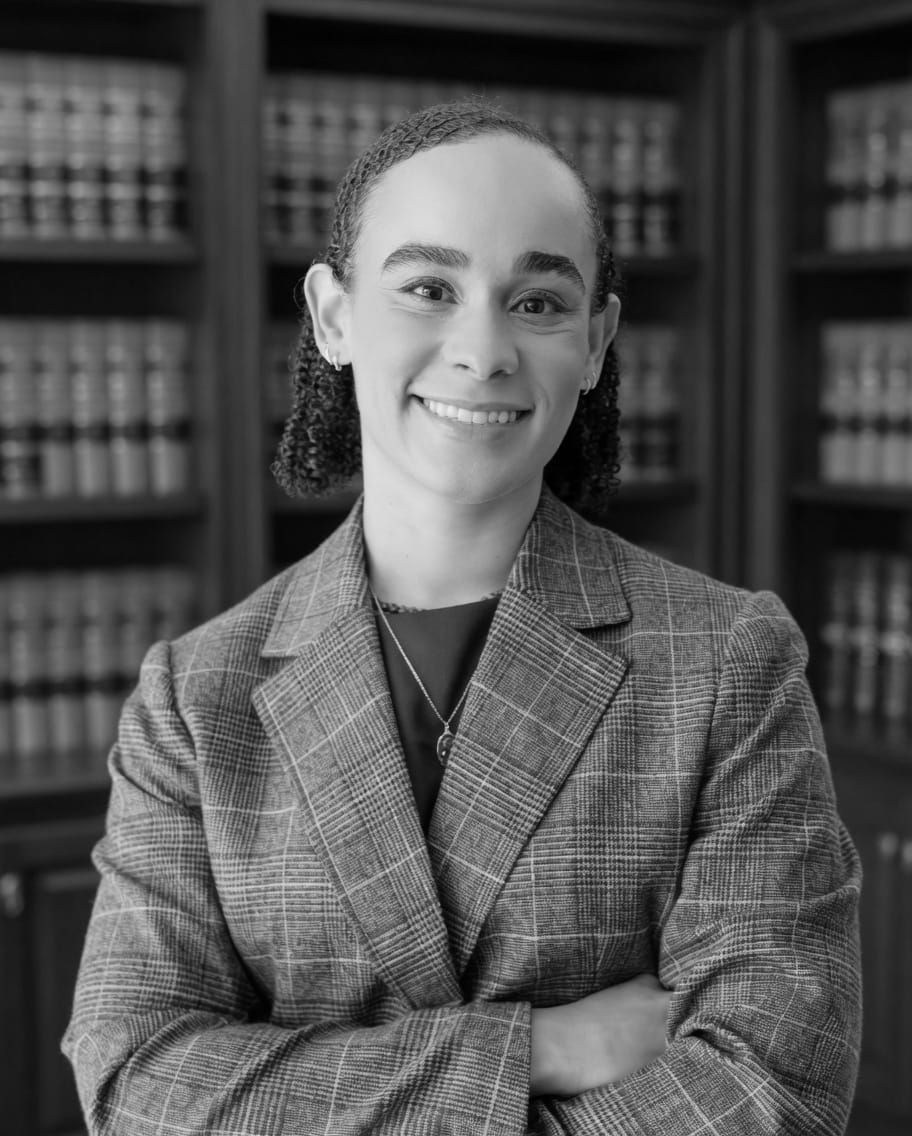
Valorie G. Cochran
Related Criminal Defense Services
Frequently Asked Questions About Probation Violations in Mississippi
What is a probation violation in Mississippi?
A probation violation occurs when someone on probation fails to follow the conditions set by the court. Common violations include new arrests, failing drug tests, missing meetings with a probation officer, or not completing required programs.
What happens at a probation revocation hearing in Mississippi?
At a revocation hearing, the state must prove that you violated probation. You have the right to an attorney, to present evidence, and to cross-examine witnesses. The judge decides whether to revoke probation and impose the original sentence.
Can I fight probation violation allegations?
Yes. Many violations can be challenged. We often argue that the alleged violation did not occur, that it was not willful, or that revocation is not appropriate under the circumstances.
What are common defenses to probation violations?
Common defenses include lack of proper notice, insufficient evidence, technical violations that do not warrant revocation, and showing that you have made significant progress while on probation.
Can I go to jail for a probation violation?
Yes. If the judge finds that you violated probation, they can revoke it and send you to prison to serve the original sentence. However, many violations result in continued probation with added conditions instead of jail time.
How long do I have to wait for a probation revocation hearing?
You have the right to a reasonably prompt hearing. In Mississippi, these hearings are usually scheduled within a few weeks of the violation being reported, though timing can vary by county.
Can new criminal charges lead to probation revocation?
Yes. A new arrest or conviction while on probation is a serious violation. We often work to resolve the new case favorably while simultaneously defending the probation violation.
What should I do if I think I violated probation?
Contact an attorney immediately. Do not speak with your probation officer or law enforcement about the alleged violation without legal advice. Early intervention can sometimes prevent a warrant from being issued.
Can technical violations result in revocation?
Technical violations (missing a meeting, failing a drug test, etc.) can lead to revocation, but judges often consider the overall circumstances. We present mitigating evidence to argue against revocation.
What rights do I have at a probation revocation hearing?
You have the right to notice of the alleged violations, the right to an attorney, the right to present evidence and witnesses, and the right to cross-examine the state’s witnesses.
Can I get my probation reinstated after a violation?
Yes. In many cases, judges will continue or modify probation rather than revoke it, especially for first violations or technical issues. We work hard to present a strong case for reinstatement.
How does a new conviction affect my probation?
A new conviction is usually considered a serious violation. The judge can revoke probation and impose the original sentence on top of any new sentence. Strong defense in both cases is critical.
Can I appeal a probation revocation decision?
Yes. You can appeal a revocation order to the Mississippi Court of Appeals or Supreme Court. We handle these appeals when clients want to challenge an unfavorable ruling.
What should I bring to my probation revocation hearing?
Bring proof of compliance (completion certificates, negative drug tests, employment records, letters of support) and any evidence that shows you are making positive changes. We help organize this material.
How can an attorney help with a probation violation?
An experienced attorney can challenge the evidence against you, negotiate with the probation officer or prosecutor, present mitigating evidence, and argue for continued probation instead of revocation and jail time.