Federal cases are different: federal agents investigate for months before arrest, the sentencing guidelines drive outcomes, and trial is in the Southern District of Mississippi. Three of our attorneys serve on that court’s Criminal Justice Act (CJA) panel, and one also on the Fifth Circuit CJA appellate panel, which means the federal courts themselves appoint us to defend federal cases. If agents have contacted you, the time to hire counsel is before charges are filed, not after.
Navigating the Federal System
The federal criminal justice system operates under an entirely different set of rules, procedures, and sentencing guidelines than Mississippi state courts. Federal agencies like the FBI, DEA, ATF, and IRS-CI spend months, sometimes years, building impenetrable cases before they ever file an indictment. We are admitted to practice in the U.S. District Courts and the Fifth Circuit, providing meticulous defense strategies for complex white-collar, drug, and conspiracy allegations. State felony charges move on a much faster clock; see how the state indictment timeline compares.
Related Defense Practices
State Criminal Defense
Trial advocacy for Mississippi circuit court felony charges.
Appellate & Federal Habeas
Challenging convictions via 2254 and 2255 federal petitions.
5th Circuit Gun Rulings After Bruen
How Fifth Circuit Second Amendment rulings affect some federal gun cases.
Hunter v. United States: Appellate Waivers
When defendants can appeal a sentence despite signing an appellate waiver.

Our Federal Defense Team

Thomas (Tom) Fortner

Arman Miri
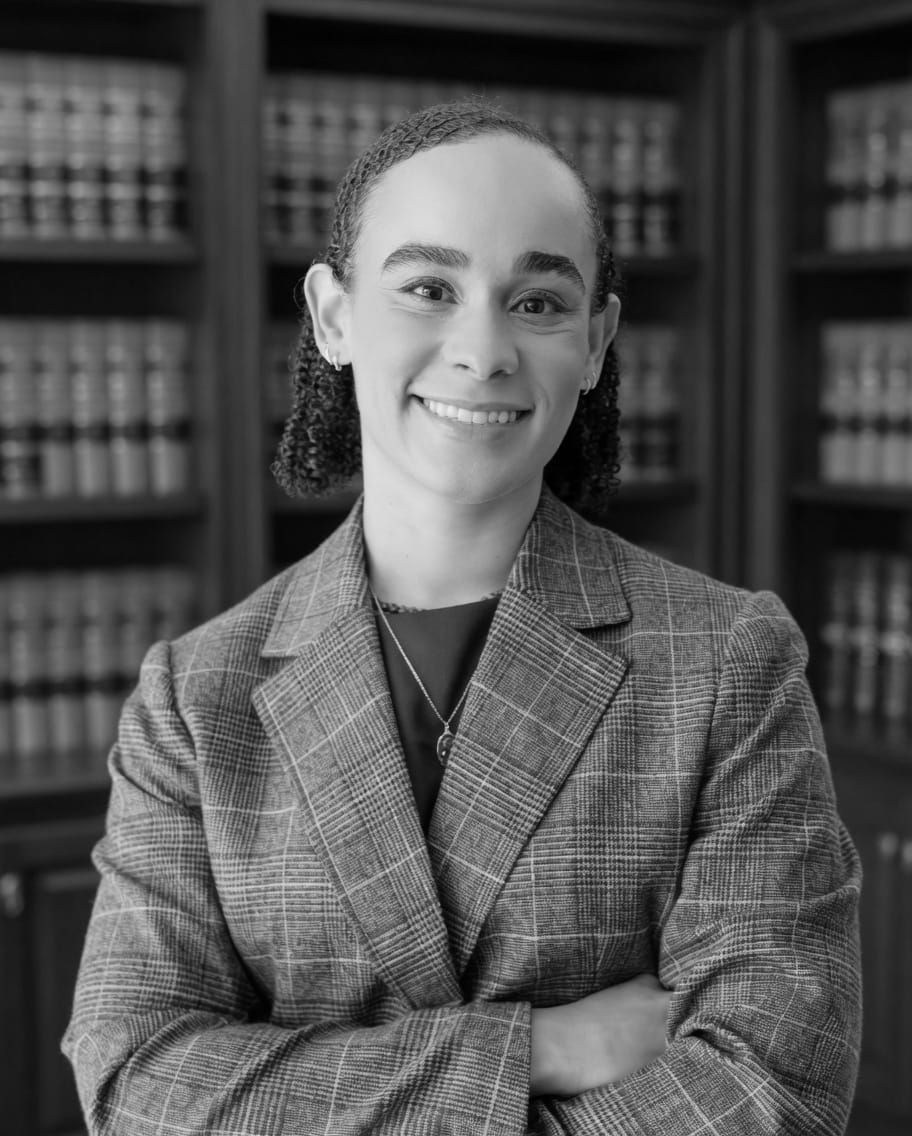
Valorie G. Cochran
Frequently Asked Questions About Mississippi Federal Law & Sentencing
Understanding the complexities of the United States District Courts.
How is a federal criminal charge different from a state charge?
Federal charges involve violations of United States laws, crimes committed across state lines, or crimes on federal property. They are prosecuted by the U.S. Attorney's Office, investigated by agencies like the FBI or DEA, and generally carry much harsher mandatory minimum sentences than state crimes.
What are the Federal Sentencing Guidelines?
The Federal Sentencing Guidelines are a highly complex, uniform point scale that produces a recommended sentencing range based on the specific "offense level" and the defendant's prior "criminal history category." Since United States v. Booker (2005), the Guidelines are advisory rather than mandatory, but federal judges must still calculate and consider the range at every sentencing.
Can I get parole in the federal prison system?
No. The federal government abolished parole for offenses committed on or after November 1, 1987. If you are sentenced to federal prison, you generally serve about 85% or more of your term, with reductions limited to good conduct time and, for eligible inmates, First Step Act earned time credits.
What is a federal grand jury indictment?
An indictment is a formal accusation. A federal prosecutor presents evidence to a grand jury (in secret), and if the grand jury believes there is probable cause that a federal crime was committed, they issue a "True Bill" (the indictment), leading to an arrest warrant.
What should I do if federal agents come to my house with a search warrant?
You must allow them to execute the search, but do not answer any questions. State clearly, "I will not answer any questions without my attorney present." Do not consent to them searching areas outside the scope of the warrant, and call a federal defense lawyer immediately.
What does it mean to be a "target" of a federal investigation?
If you receive a "target letter" from the U.S. Attorney, it means prosecutors have gathered substantial evidence linking you to a crime, and they fully intend to seek an indictment against you. You need immediate legal representation before speaking to anyone.
How long does a federal criminal investigation take?
Unlike local police who make arrests immediately at a scene, federal agencies often investigate quietly for months or even years. They utilize wiretaps, financial audits, confidential informants, and grand jury subpoenas before ever making an arrest.
What is a federal proffer session?
A proffer session (or "Queen for a Day" agreement) is a highly risky meeting where you answer questions from federal prosecutors and agents in exchange for a limited promise that those statements won't be used directly against you. It should never be done without an attorney.
Can I be charged in both state and federal court for the exact same crime?
Yes. Under the "Dual Sovereignty" doctrine of the Constitution, the state government and the federal government are considered separate sovereigns. You can be prosecuted and punished by both for the exact same conduct without violating Double Jeopardy protections.
What are federal mandatory minimum sentences?
Mandatory minimums are strict statutory requirements that force a federal judge to impose a specific minimum prison sentence (e.g., 5, 10, or 20 years) if you are convicted of certain crimes, primarily high-level drug trafficking, firearms offenses, or child pornography.
How does bail work in the federal court system?
The federal system does not use traditional cash bail bondsmen. After arrest, you appear before a magistrate judge, and if the government seeks detention, the court holds a detention hearing under the Bail Reform Act. You can be held without bond only if the judge finds that no conditions will reasonably assure your appearance or the safety of the community; if released, you are supervised by Pretrial Services.
What is a federal conspiracy charge?
A conspiracy charge (often under 18 U.S.C. § 371 or 21 U.S.C. § 846) means you agreed with at least one other person to commit a federal crime, and you can be convicted even if the underlying crime was never completed. A general conspiracy under 18 U.S.C. § 371 also requires that one conspirator took an "overt act" toward the crime, while drug conspiracies under 21 U.S.C. § 846 require no overt act at all.
Can federal wiretaps and digital surveillance be thrown out of court?
Yes, if the government violated Title III wiretap laws or your Fourth Amendment rights. A skilled defense attorney will file a Motion to Suppress, demanding the government prove they exhausted standard investigative methods before resorting to invasive wiretaps.
Why do federal prosecutors have such high conviction rates?
The federal government possesses nearly unlimited resources, elite investigative agencies (FBI, IRS), and the leverage of harsh mandatory minimum sentences to force plea deals. They generally do not indict cases they do not believe they can easily win.
Do I need a lawyer who specifically handles federal cases?
Absolutely. Most state-level criminal defense lawyers are not admitted to federal court and do not understand the complexities of the Federal Rules of Evidence or the Sentencing Guidelines. Federal defense is a highly specialized practice area.
Are your attorneys admitted to practice in the Southern District of Mississippi?
Yes. Federal criminal cases from south Mississippi are tried in the U.S. District Court for the Southern District of Mississippi, and our attorneys are admitted there and before the U.S. Court of Appeals for the Fifth Circuit. Three of our attorneys, A. Arman Miri, Tom Fortner, and Valorie Cochran, serve on that district court's Criminal Justice Act (CJA) panel, and Arman also serves on the CJA appellate panel for the Fifth Circuit. That means the federal courts themselves appoint our lawyers to defend federal cases and appeals.